
Disability-related health supports: a guide for support coordinators
What the NDIS means by disability-related health supports, where the line sits with the health system, and practical steps for getting them right at home.
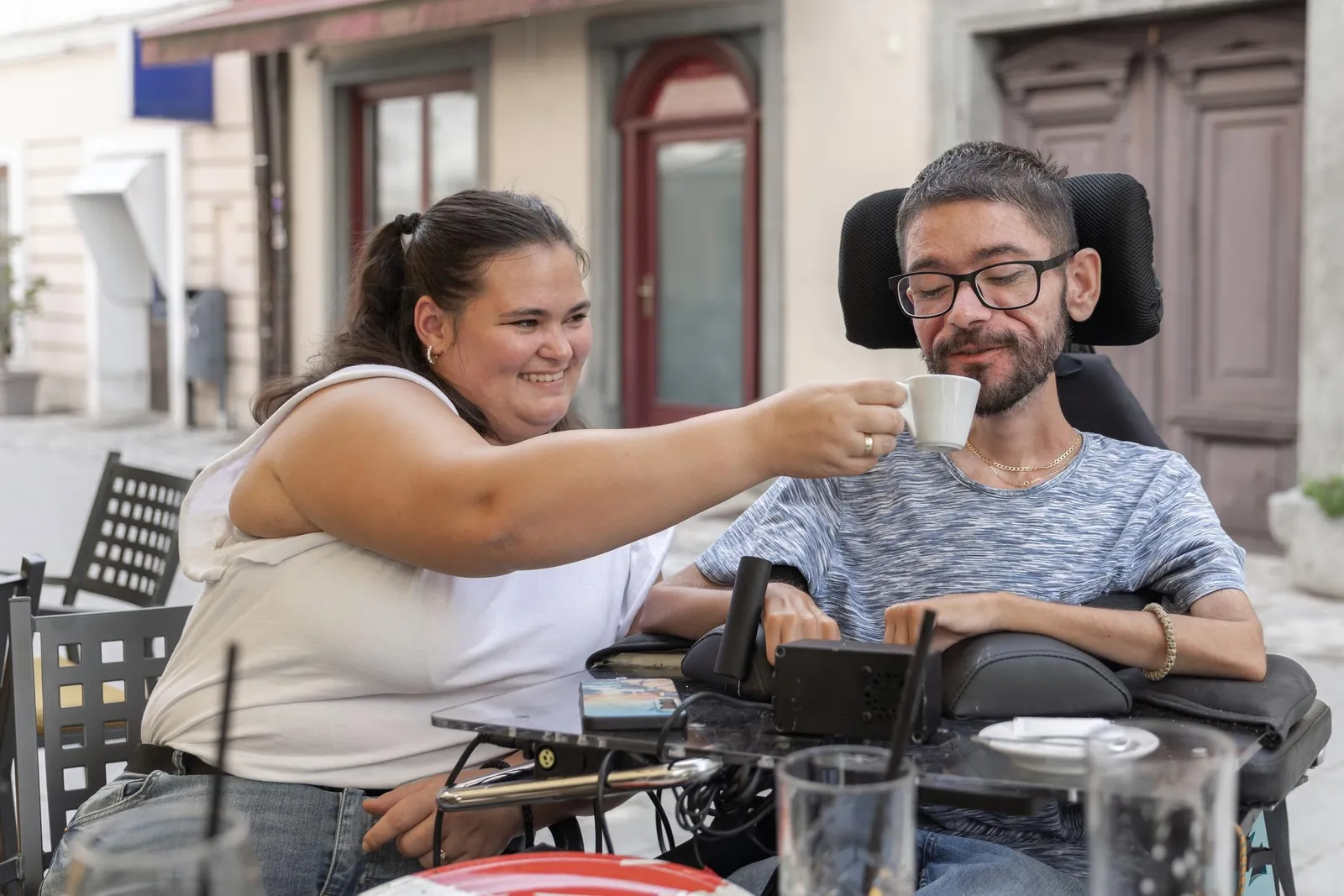
For many participants, everyday life includes health tasks linked to their disability: following a mealtime plan, caring for skin to prevent pressure injuries, or having a seizure plan that everyone around them understands. The NDIS calls these disability-related health supports. For support coordinators, knowing what they are, and where the line sits between the NDIS and the health system, makes it easier to get the right supports in place.
What the NDIS means by disability-related health supports
The NDIS describes disability-related health supports as health supports that relate directly to the functional impact of a person's disability. If a participant needs help to manage a health condition because of their disability, the NDIS may fund disability-related health supports to help them manage that condition.
Types of support
The NDIS groups the typical supports into support type categories. They include:
Dysphagia supports
Nutrition supports
Diabetes management supports
Continence supports
Wound and pressure care supports
Podiatry supports
Epilepsy supports
The NDIS says its list of fundable supports is not exhaustive, and supports may be delivered in a range of ways.
What the NDIS may fund
Expert training for the participant or their support providers.
Someone to provide some disability-related health supports for the participant.
Some specific types of equipment.
Participants pay for these supports through their plan budget, which means they can choose how their supports are provided.
Where the health system comes in
The NDIS says it can't fund supports to treat a health condition. The Australian health system provides health services to everyone for illnesses or chronic health conditions. A simple way to think about it: the NDIS can help with managing the everyday impact of a condition linked to a person's disability, while treatment stays with the health system and the person's treating team.
Practical steps for coordinators
Start with the participant's day. Which health-related tasks come up, who does them now, and what happens when that person isn't there?
With the participant's consent, gather the current plans from their treating team, such as a mealtime, seizure or wound care plan, so providers can follow them exactly.
Check the plan budget covers the supports, including any training workers need before they start.
Ask providers how workers are trained in each person's plan, who checks their competency, and who oversees the support plan.
Plan for change. Agree how the provider will let you, the family and the treating team know after a hospital stay, new equipment or a change to a health plan.
Keep clinical questions with the participant's treating team.
How we work
Our Clinical Care and Therapies and Health Care Assistance services support health needs at home, including PEG feeding, catheter and bowel care, wound care, and epilepsy and diabetes support. A Registered Nurse oversees every care plan, makes sure workers are trained in each person's plan, and keeps in touch with the treating team, with the participant's consent. We support self-managed and plan-managed participants across Greater Brisbane.
Talk to us
To talk about a participant you work with, call 0494 930 538 or refer online at www.beatifiedcare.com.au/refer.