
Getting out and about with health needs: a family guide to planning outings
What the NDIS may fund for social and community outings, what you usually pay for, and practical steps to plan outings that feel safe when someone has health needs.
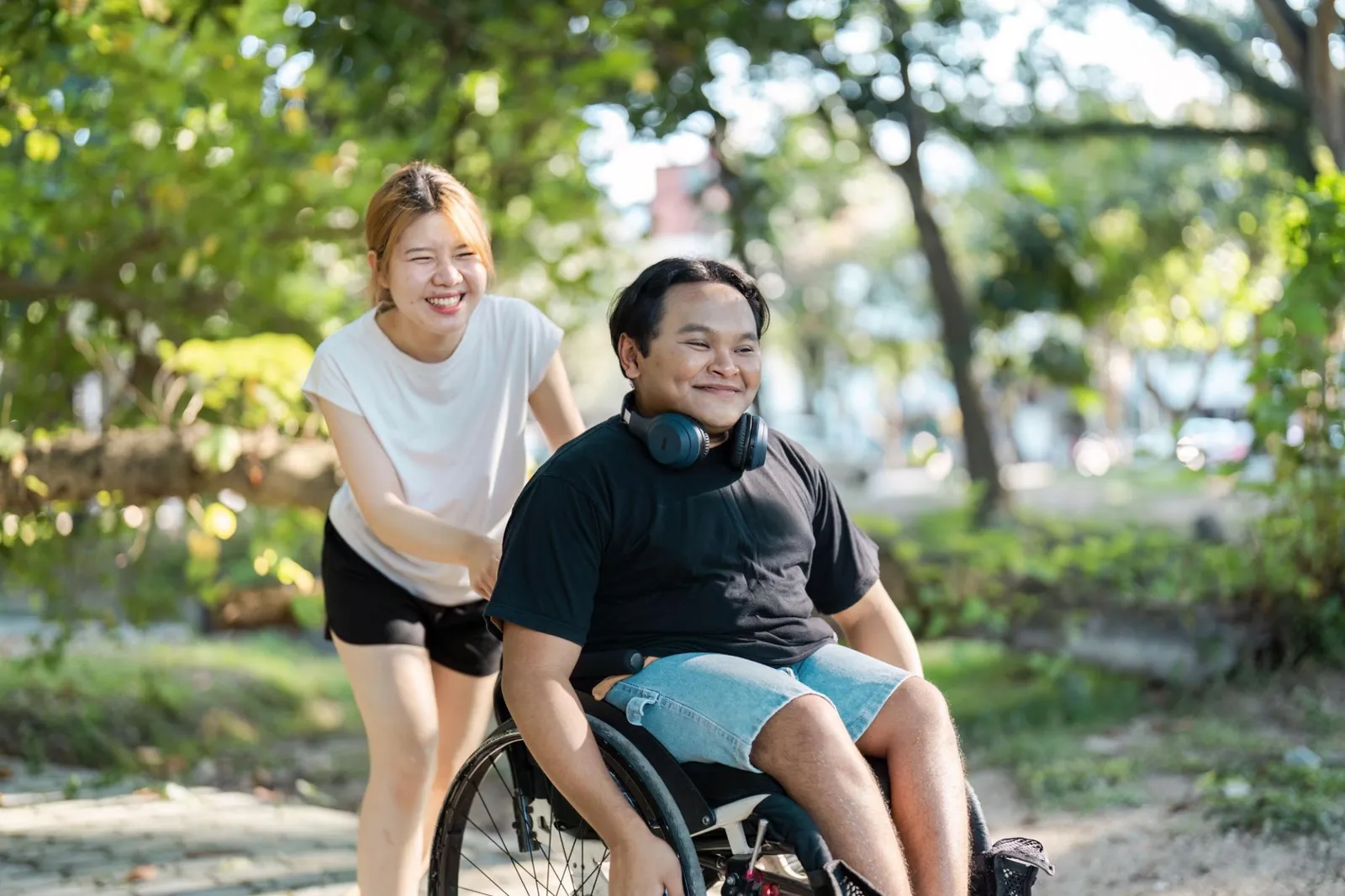
Getting out into the community, whether it's a cafe, a library group, a swim or a family get-together, is part of a good life. For people whose disability brings health needs, such as a seizure plan, PEG feeding or continence care, an outing can take a little more planning. With the holidays and warmer weather coming, here is a practical guide for families on what the NDIS may fund and how to plan outings that feel safe and enjoyable.
What the NDIS may fund
The NDIS describes support for social and recreation activities as the extra help a person needs to take part because of their disability. Examples in the NDIS guidelines include:
A support worker to help the person take part, such as help getting changed or getting set up for the activity.
Help to build the skills to take part in social and recreation activities.
Specialised equipment, or changes to equipment.
Help to travel to a recreation event when the person can't use public transport and it isn't reasonable for family or friends to take them.
All supports in an NDIS plan must meet the reasonable and necessary criteria. The NDIS also notes that some supports come from outside the scheme, such as mainstream and community services.
What you usually pay for
The NDIS says it doesn't fund the basic costs of an activity that everyone would be expected to pay, such as entry fees, registration and membership fees. It also doesn't fund standard equipment, like ordinary sports shoes. It helps to set aside a small budget for these costs when you plan outings.
Health needs can come along too
The NDIS funds disability-related health supports, which relate directly to the functional impact of a person's disability. Support types include dysphagia, nutrition, diabetes management, continence, wound and pressure care, podiatry and epilepsy supports. If the person has a plan for any of these at home, the same plan should go with them when they head out.
Before the outing
Start with what the person wants to do, and look for outings that connect with their goals.
Check the venue: step-free access, accessible toilets and change facilities, shade, seating and a quiet spot to rest.
With the person's consent, make sure whoever is supporting the outing has the current plans from the treating team, such as a seizure, mealtime or continence plan, and has been trained in them.
Plan the timing around the person's routine, including meals, medication times and rest.
Sort out transport, parking and the drop-off point before the day.
A simple outing kit
Any medication due while out, in its original packaging.
Feeding equipment, or food and drinks that fit the mealtime plan.
Continence supplies and a change of clothes.
Water, a hat and sunscreen.
A charged phone, a copy of key plans and a list of emergency contacts.
Planning for a Brisbane summer
Hot days can be hard going. Choose cooler times of day, shaded or air-conditioned places, and build in regular drink breaks. If the person has a health condition that heat may affect, talk to their treating team about what to watch for.
On the day and afterwards
Agree what the support worker should do if something changes, and who they should call. In an emergency, call 000.
Keep plans flexible. It's fine to cut an outing short.
Afterwards, ask the person what they enjoyed and what they would change, and note it for next time.
How we work
Our Community Participation Support helps people across Greater Brisbane get to the places that matter to them, with support workers trained in each person's needs, from seizure plans to feeding schedules. A Registered Nurse oversees every care plan, and we support self-managed and plan-managed participants.
Talk to us
Planning outings for someone you care about? Call 0494 930 538 or refer online at www.beatifiedcare.com.au/refer.